Software
Who actually writes it?
AI drafts, a separate review decides
A person decides what is built. Every change is independently reviewed and tested before it ships.
Anyone can ask AI for an app. Making one that is safe, that fits your business and that grows with it takes specialists. We are the AI specialists, for businesses anywhere in the world.
Turn it into a
Every business has a spreadsheet like this one. Press a button to see what replaces it.
| A | B | C | D | E |
|---|---|---|---|---|
| Mrs Okafor | 09:00 | Cut+colour | 65 | paid |
| D. Whitlow | 10:30 | Trim | 18 | ?? |
| same lady | 12:00 | colour | 65 | cash? |
| Priya (resc) | 2pm | Cut | 22 | paid |
| 15:15 | Beard | 12 | unpaid | |
| J Mensah | 16:00 | Cut+beard | 30 | paid |
Today
Tuesday, 6 jobsOutstanding
3 overdueBelow minimum
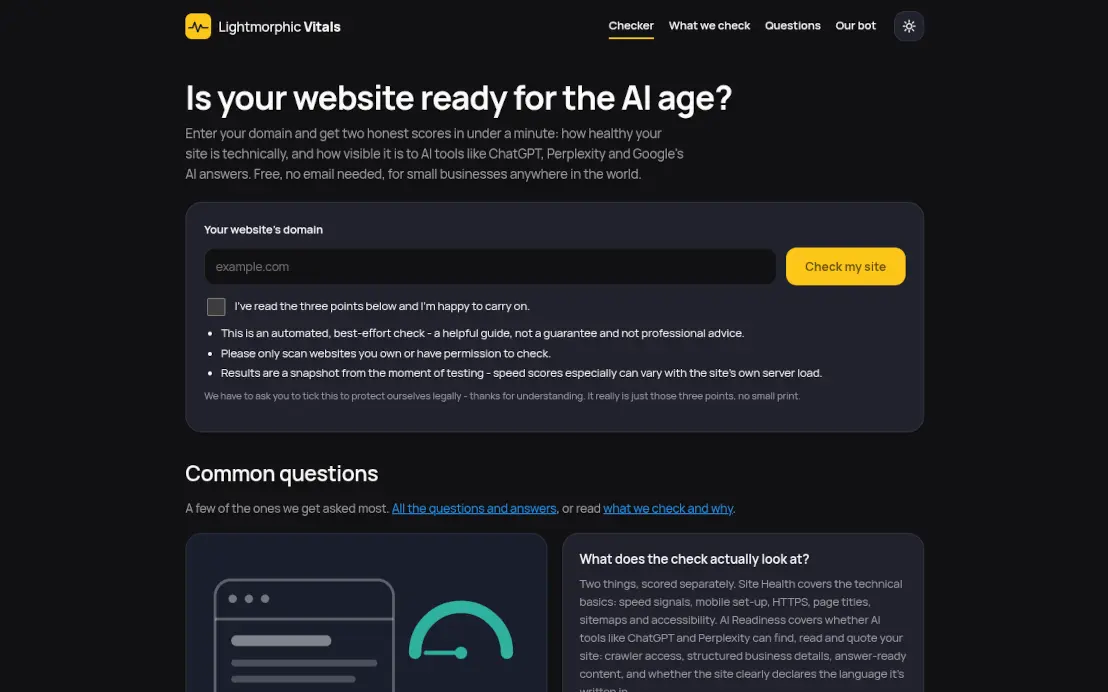
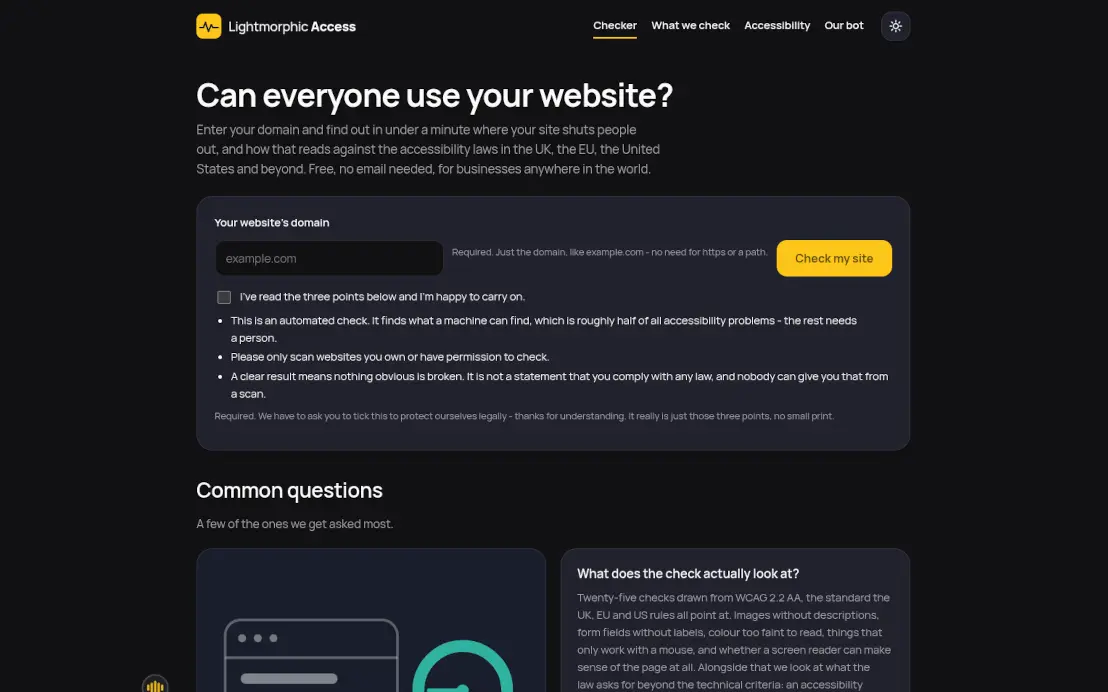
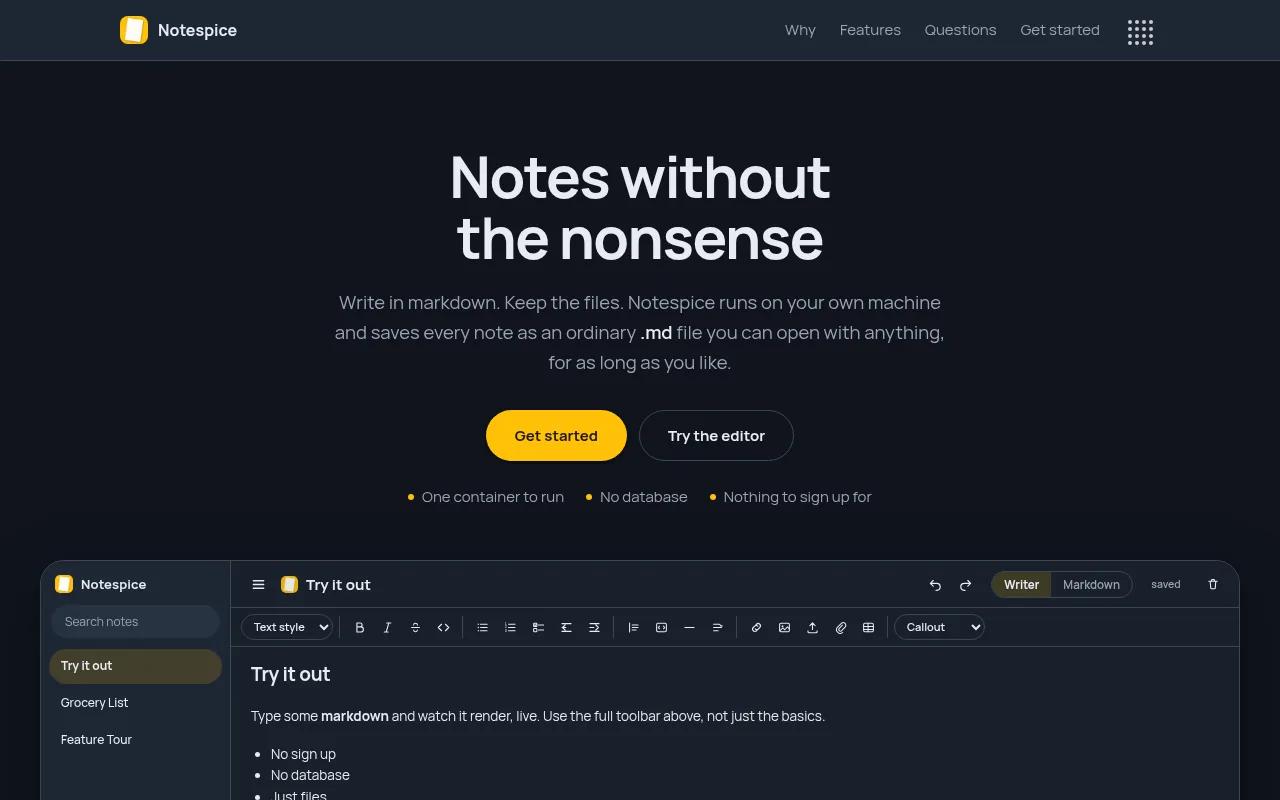
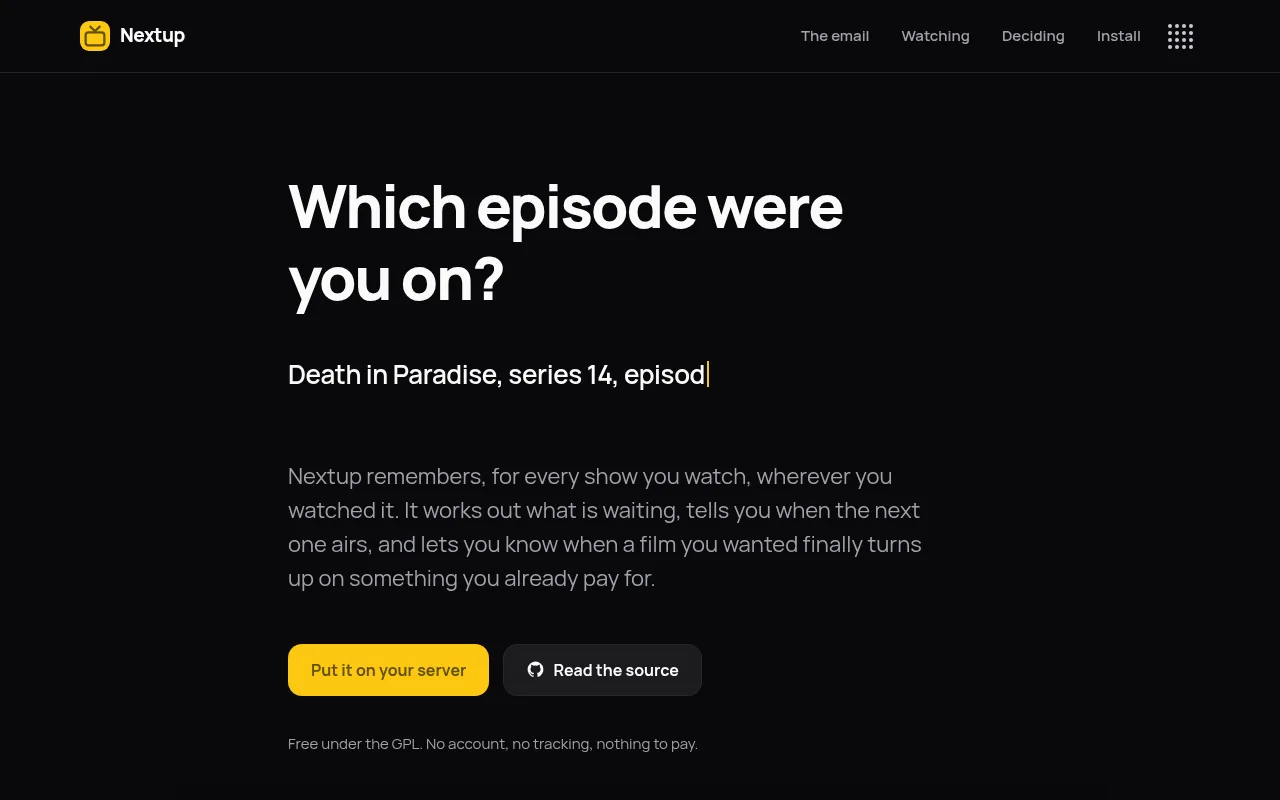
reorder before FridayBuilt by the same people with the same tools. Most are free, so try one now.
Secure and very fast, and hosted by us.
We build both, on a base already written and tested.
Built around your business today, and changed as your business changes. A fixed quote in writing, with a completion date.
What we buildHosting, contact form and live chat included. No cookies, no consent banner.
What comes with oneAsking AI for an app is the easy part. Knowing what it got wrong is the job.
The repetitive part takes minutes of machine time, not weeks.
Every change goes through 42 separate checks before it ships. Every finding is fixed, even the ones that look minor, because a few minor faults put together can make a serious one.
If we misjudge how long it takes, that is our problem, not yours.
In your own words. No specification needed.
Fixed, with a completion date, in writing.
Log in early and say what is wrong.
The code and the data are yours.
Twenty-five answers in five topics, in plain words.
AI drafts, a separate review decides
A person decides what is built. Every change is independently reviewed and tested before it ships.
Yes, in full
With plain documentation and an export for everything. If we walked away tomorrow, somebody else could pick it up.
Written down, with a completion date
The quote is agreed before work starts. It changes only if you ask for something that was not in your description, and we tell you first.
You take everything
All exportable, and no notice period. For software, the code and data are yours in full.
No, nothing to consent to
There is nothing to consent to. We set no cookies and collect no personal data.
Global, and it makes no difference
Registered in England and Wales, with everything done remotely. Where you are makes no difference to how quickly we answer.
No specification needed, and usually an answer back the same week.
Tell us what you needWe look after the chat on a good many small business websites, and after a while you notice something. People do not ask the interesting questions. They ask the same handful, over and over, at all hours, and most of them could be answered by the website itself if the website were written well. That is worth knowing before you decide whether to add a chat box, and before you decide what should answer it.
This post covers what visitors actually type, how a bot can answer from your own pages without inventing anything, exactly where it should stop and hand over to a person, and a couple of rules we think are not negotiable.
In our experience, the great majority of first messages fall into five groups. The wording varies but the question does not.
A smaller group is people who already are customers: where is my order, can I change my appointment, I have a problem. And a smaller group still is genuinely new questions that need a human with knowledge of the trade. That last group is the valuable one, and it is also the one a bot should not attempt.
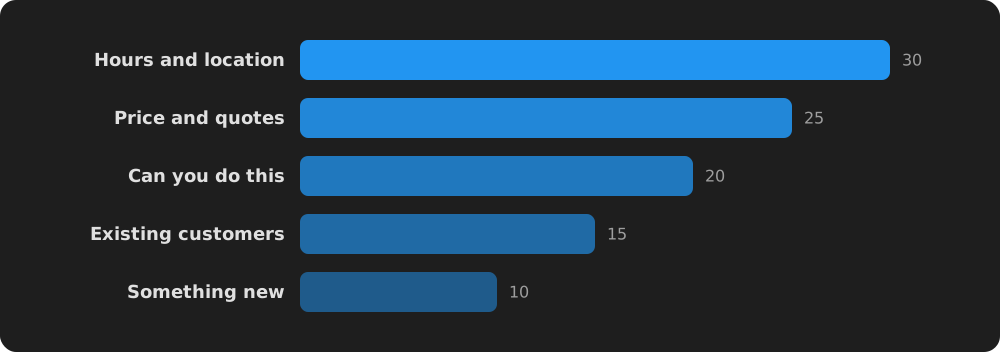
Look back at those five groups. Every one of them is a fact about your business that belongs on your website anyway: hours, prices, services, place, how to book. If those facts are written plainly on the right pages, a bot does not need to be clever. It needs to find the sentence on your site that answers the question and repeat it, with a link to the page it came from.
That is the only kind of bot we are comfortable putting on a client's site. It answers from your pages and nothing else. If the answer is not on the site, it says so, and offers a person. It never guesses a price, never promises a service you have not listed, and never makes up an opening time. A bot that improvises will eventually tell a customer you are open on Christmas Day, and that customer will be standing outside your shop.
The pleasant side effect is that a bot like this shows you where your website is thin. If it keeps saying 'I cannot find that', you have found a page you need to write. The chat log becomes a list of questions your site should already answer, which is the most useful content plan a small business can have.
The hand-over is the part most chat systems get wrong. Either the bot never lets go, and the visitor is stuck in a loop of 'I did not understand that', or it hands over to nobody, and the message sits unread until Monday. Neither is better than no chat at all.
The rule we use is simple. The bot answers only what your pages already say. The moment a visitor asks for a quote on a specific job, describes a problem, mentions an existing order, asks something the site does not cover, or simply asks for a person, the bot stops and says so honestly: 'That needs one of the team. Leave your name and how to reach you and someone will reply.' Then the message goes to a real inbox that somebody actually watches, and the visitor is told roughly when to expect an answer.
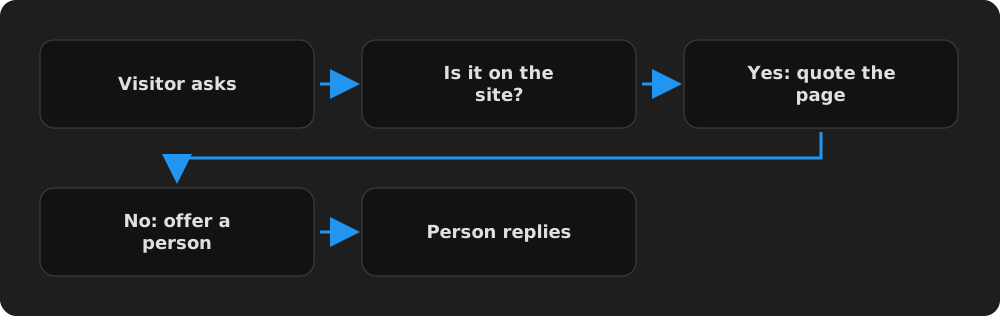
During your working hours, a person can pick up the conversation live if you have one available. Outside them, the honest thing is to say when you will be back. 'We reply between nine and five, Monday to Friday' is a perfectly good answer. What is not good is a bot pretending the reply is imminent at half past eleven on a Saturday night.
First: never pretend a bot is a person. No invented name, no stock photo of a smiling woman with a headset, no 'Sarah is typing'. People can tell within two messages, and once they feel tricked they do not trust anything else on the site, including your prices. Call it what it is. 'This is an automatic helper that answers from our website. Ask for a person any time.' Nobody minds a bot that says it is a bot.
Nobody minds a bot that admits it is a bot. Everybody minds one that pretends.
Second: do not collect more than you need. A chat box does not need somebody's full name, phone number, email, address and postcode before it will say hello. Ask for nothing until the visitor wants a reply, and then ask for one way to reach them. Keep the conversation only as long as you need it to answer, and let people ask for a copy or ask you to delete it. If your chat loads nothing from a third party and sets no cookies, you have already avoided most of the problems that make chat boxes a privacy headache, and you will not need a banner apologising for it.
Honestly, some businesses do not. If your hours, prices and services are on the site in plain text, and your phone is answered, a chat box may add little. It earns its place when people visit outside your hours, when they are shy of ringing, or when the first question usually leads to a second and a third. For a café it is probably unnecessary. For a tradesperson taking quote requests at nine in the evening, or a shop with delivery questions, it can be the difference between an enquiry and a lost one.
If you do add one, start with the list above. Make sure the site answers the five common questions plainly, decide who watches the inbox and when, and be straight with visitors about what is answering them. That is the whole of it. We run this kind of chat for the sites we look after, but the principles hold whatever you use: answer from the truth, hand over early, and never pretend.